
The thrill of chance and uncertainty
The psychology behind gambling is deeply intertwined with the allure of chance and the unpredictability it entails. This thrill often attracts individuals who seek excitement and a break from their routine lives. The anticipation of winning a large sum of money creates a feeling of exhilaration, leading one to engage in gambling behaviors. The brain responds to potential rewards by releasing dopamine, a neurotransmitter linked to pleasure and motivation. This chemical reaction reinforces the desire to gamble, as the prospect of winning triggers feelings of euphoria and exhilaration. For many, each roll of the dice or turn of a card becomes a moment of heightened anticipation, where the possibility of a life-changing win dangles tantalizingly close, especially when playing at 1win and exploring their diverse offerings.
Furthermore, the unpredictability of gambling outcomes plays a significant role in sustaining interest. Unlike other forms of entertainment that provide consistent results, gambling introduces an element of surprise that keeps players engaged. This variability can lead to a psychological phenomenon known as variable reinforcement, where the reward schedule is unpredictable, making the brain crave more engagement. Just as a slot machine pays out sporadically, the unpredictable nature of gambling can create a compulsion to continue playing, as players hope for that next big win. Thus, the interplay between excitement and uncertainty can captivate individuals, encouraging them to return for more, even when they experience losses.
As individuals engage more frequently in gambling, they often develop cognitive biases, such as the illusion of control, where they believe they can influence the outcome of games of chance. This belief can lead to overconfidence and further participation, reinforcing the cycle of gambling behavior. Gamblers may convince themselves that they have a ‘system’ or strategy that can tilt the odds in their favor, despite the inherent randomness of the games. The combination of thrill-seeking and cognitive biases contributes to the complex psychological landscape of gambling, making it an enticing and often addictive activity for many.
The social aspects of gambling
Gambling is not merely an isolated activity; it often serves as a social interaction platform where friends and strangers come together, blurring the lines of competition and camaraderie. Many people are drawn to casinos and gaming environments not just for the games themselves but for the social experience they provide. The atmosphere in these venues is intentionally designed to be vibrant and engaging, encouraging people to spend more time together. Shared experiences, such as cheering for a friend at the poker table or celebrating a win, foster connections and create lasting memories among participants. This social aspect can enhance the overall enjoyment of gambling and make it a communal event rather than a solitary pursuit.
Additionally, the social environment can serve as a supportive network for individuals who face challenges in their gambling habits. Many casinos and betting centers host community events or group workshops, emphasizing responsible gaming. These initiatives are designed to promote healthier gambling experiences and ensure individuals can partake without falling into detrimental patterns. The camaraderie forged in these settings can also provide a sense of belonging, making it easier for individuals to justify their gambling habits. All these dimensions highlight how gambling is not solely about the personal pursuit of monetary gain but also about community engagement and social bonds.
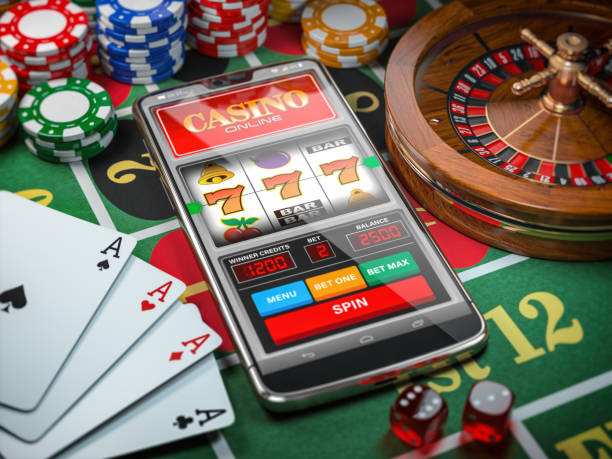
Moreover, the prevalence of online gambling has transformed the social dynamics associated with gambling. Virtual platforms have enabled individuals to connect with others globally, allowing for shared gaming experiences across distances. This shift has facilitated new forms of interaction, such as online tournaments and multiplayer games, enhancing the social component of gambling from a distance. Players can interact through chat functions, forming friendships and alliances that transcend geographical barriers. The digitization of gambling has opened doors to wider participation and connection, showcasing the evolving relationship between gambling, community, and social interaction.
The impact of psychological factors
Psychological factors play a critical role in an individual’s decision to gamble, influencing their behavior, motivations, and outcomes. One key psychological element is the concept of escapism, where individuals may turn to gambling as a way to escape their daily stresses or personal issues. This creates a cycle where individuals rely on gambling for temporary relief, leading to potentially compulsive behaviors. The act of gambling becomes a coping mechanism that temporarily alleviates feelings of anxiety, boredom, or depression, making it easy to lose sight of the associated risks. Instead of addressing underlying issues, individuals may find themselves entrenched in gambling as a means of avoidance.
Additionally, cognitive distortions such as the gambler’s fallacy can skew an individual’s perception of risk and reward. This fallacy leads individuals to believe that past outcomes influence future probabilities, prompting them to continue gambling despite prior losses. For instance, a player might think that after a series of losses, they are ‘due’ for a win, which can result in escalating bets and deeper financial trouble. Understanding and addressing these psychological factors is crucial for promoting responsible gambling practices and preventing addiction. By recognizing the emotional triggers that influence gambling behaviors, individuals can take proactive steps toward healthier choices.
The interplay of these psychological aspects can also illuminate the importance of education and awareness regarding gambling behaviors. Programs designed to provide individuals with information about responsible gaming, effective coping strategies, and the potential risks associated with gambling can empower them to make informed decisions. When equipped with knowledge, individuals become more resilient against the pitfalls of gambling. This education can include understanding odds, recognizing signs of problematic behavior, and knowing when to seek help, fostering a culture of responsibility in gambling.
The allure of rewards and reinforcement
The allure of potential rewards is a significant driving force behind gambling participation. Many individuals are motivated by the prospect of winning big, which often overshadows the risks involved. This motivation stems from the powerful psychological concept of reinforcement, where behaviors are strengthened by the consequences that follow them. In gambling, the possibility of a substantial payout serves as a powerful incentive, encouraging players to continue playing despite the inherent risks and likelihood of loss. For many, the dream of hitting a jackpot is a compelling reason to engage in gambling activities, even when they understand the odds are not in their favor.

Moreover, the gambling industry’s design elements, such as near misses and enticing jackpots, capitalize on this psychological tendency. For example, slot machines are programmed to create a sense of near wins, which can produce feelings of excitement and encourage further play. This design exploits the brain’s reward pathways, reinforcing the behavior of gambling. Players may experience a rush of adrenaline when they come close to winning, which can trick them into thinking that success is just around the corner. The emotional highs associated with these near misses can lead to prolonged gambling sessions, often with negative financial consequences.
Additionally, the social perception and cultural narratives surrounding gambling can further enhance its allure. In many cultures, winning at gambling is celebrated and romanticized, contributing to a belief that luck and skill could lead to significant financial gains. Movies, advertisements, and even folklore often portray gambling as a glamorous and exciting venture, overshadowing the risks of addiction and loss. This societal reinforcement can make it difficult for individuals to recognize the inherent risks of gambling, leading to a misunderstanding of the balance between risk and reward and further fueling their desire to participate in gambling activities.
Exploring further resources
For those interested in delving deeper into the psychology behind gambling and its various implications, numerous resources are available. Understanding the motivations behind gambling behaviors, both from a psychological and societal perspective, can help individuals make informed choices regarding their gambling habits. Local organizations and educational programs often provide insights and support for those wanting to learn more about the nuances of gambling, promoting responsible practices and awareness of problem gambling. Many of these programs emphasize the importance of moderation and self-awareness, equipping individuals with tools to assess their gambling habits critically.
Moreover, local and online support groups can provide individuals with a safe space to discuss their experiences with gambling, whether they are seeking to understand their behaviors better or looking for help in managing their gambling habits. These groups can offer encouragement and shared knowledge, reinforcing the idea that individuals are not alone in their struggles or questions regarding gambling. Collaborative efforts can lead to healthier perspectives on gambling and promote positive control over gambling activities. Engaging with support networks can foster a sense of community that encourages responsible behavior and accountability.
In conclusion, the psychology of gambling is a multifaceted topic that encompasses various motivations, psychological factors, and social dynamics. By exploring these elements, individuals can gain a more comprehensive understanding of why they gamble and how to engage in it responsibly. Whether participating in this activity for social interaction, thrill, or the allure of rewards, an informed approach can lead to healthier and more enjoyable experiences. As society continues to evolve, fostering discussions about responsible gambling and the psychological aspects involved will be crucial to ensuring that individuals can enjoy this pastime without falling into harmful patterns.